What are collard greens?
Collard greens are a southern staple food enjoyed by many people. Southern folklore even says that if you eat collard greens on January 1 along with black-eyed peas, pork, and cornbread you will have good luck and prosperity in the coming year.1 Collard greens are vegetables with large green leaves and tough stems that have to be removed before eating. They belong to the Brassica family of cruciferous vegetables along with mustard greens, turnips, cabbage, and kale.2 Collard greens are also called colewarts, and in the United Kingdom they are called spring greens.3

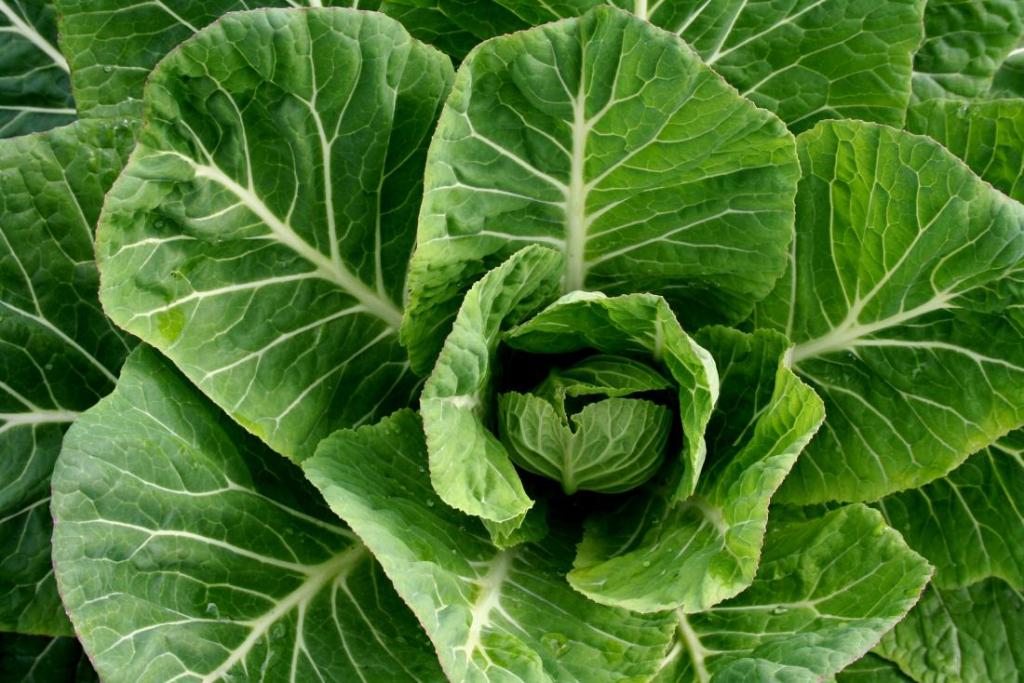
What do collard greens look like?
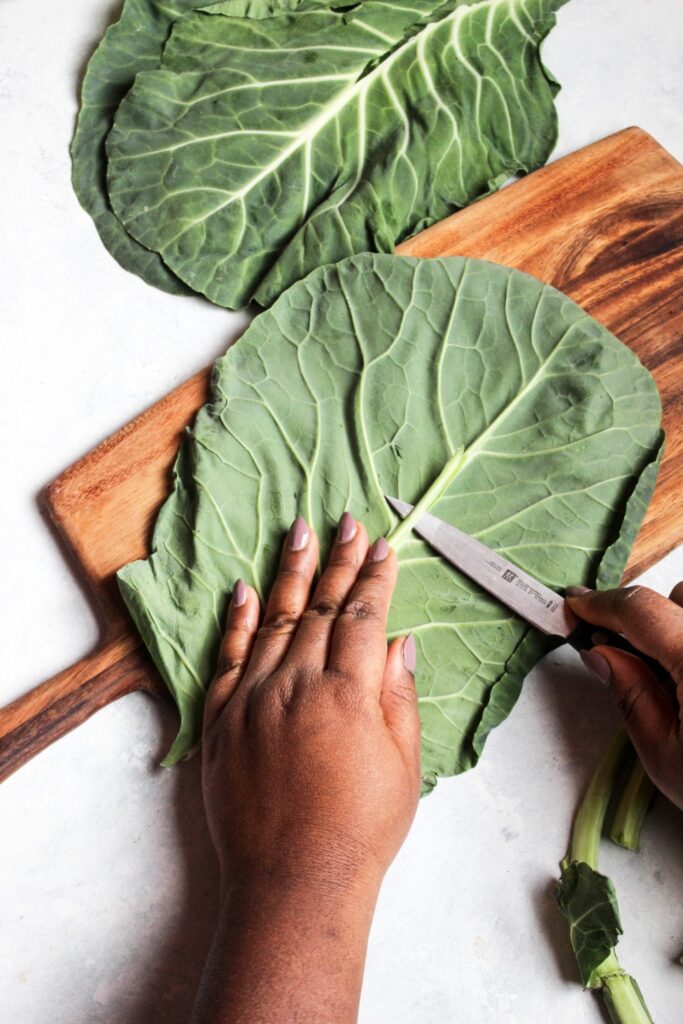
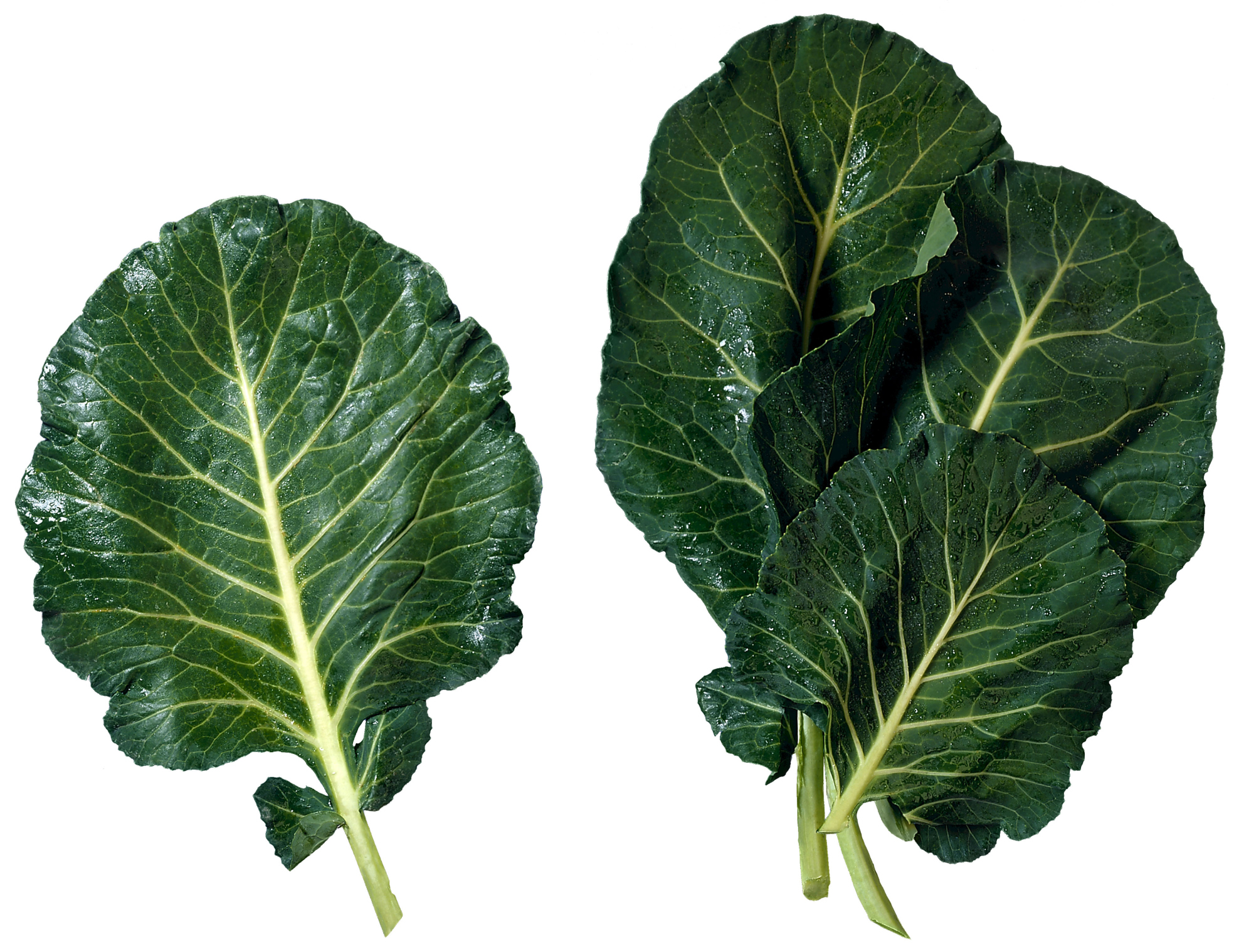
Collard greens are smooth and sturdy in texture. Their large leaves are broad and dark green with light colored veins and stems. They are a leafy green vegetable similar to lettuce, swiss chard, and spinach.2 The leafy part of the vegetable is the collard green, the inside stem should always be removed because they are very tough. To do this you need to either cut the stem out with a knife, or tear or strip the leaf away from the stem.4
What do collard greens taste like?
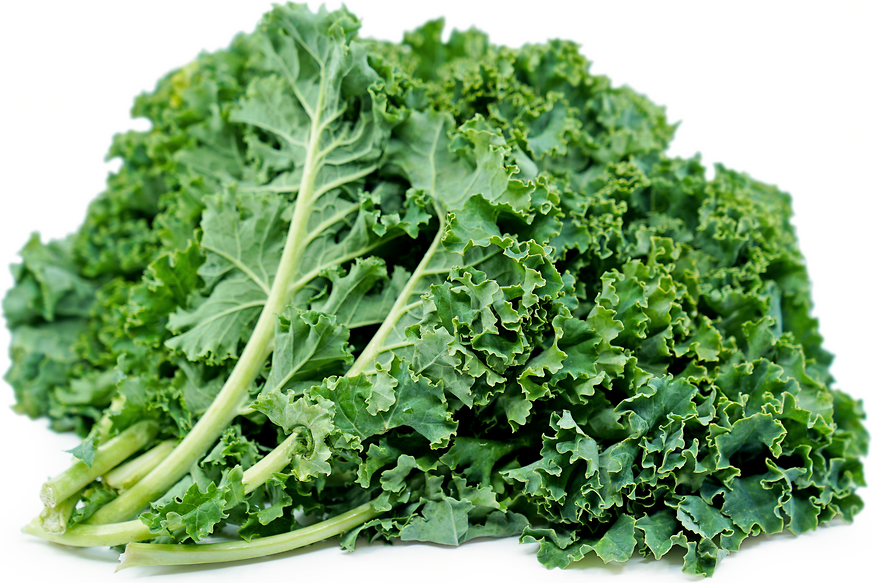
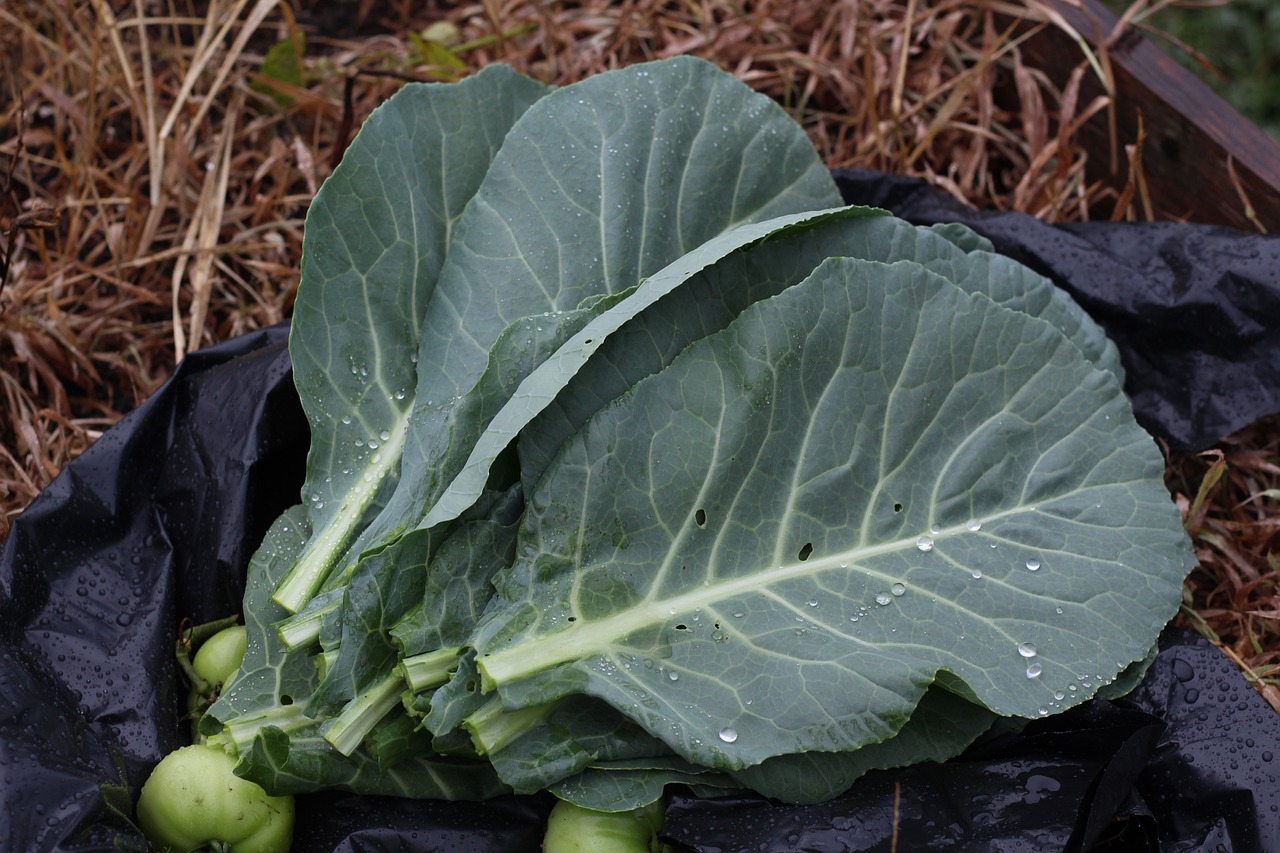
The taste of collard greens can be compared to kale, but collard greens are less bitter and more milder on the taste buds.3 Collard greens are the most bitter when they are raw, so it is recommended to cook them in some way to bring out their subtle earthy flavor.1 Collard greens also have a strong acidic smell but it is not overpowering and doesn’t come out when the vegetable is cooked.3 Don’t let the bitterness or acidic smell dissuade you from selecting this vegetable, there are a lot of ways to prepare collard greens to be very flavorful and take full advantage of their health benefits!
What are the health benefits of collard greens?
Collard greens are vegetables particularly high in nutrients and low in calories.5 This puts them in the same plant family as bok choy, kale, broccoli, brussel sprouts, cabbage, rutabaga, and turnips.
Collard greens are great for bone health! One cup of boiled collard greens provides 770 micrograms of vitamin K.5 One cup of collard greens provides the recommended amount of vitamin K a person should consume several times over.5 Vitamin K acts as a modifier of bone matrix proteins, it improves calcium absorption, and may reduce urinary excretion of calcium.6
Collard greens can help lower the risk of developing various types of cancer! Studies suggest that people who eat plenty of cruciferous vegetables have a lower risk of developing various types of cancer, including cancer of the upper digestive tract, colorectal, breast, and kidney cancer.5 Cruciferous vegetables have sulfur containing compounds called glucosinolates that may prevent the cancer process at different stages of development for various cancers.7
Collard greens can impact diabetes and liver function. One cup of boiled collard greens provides nearly 8 grams of fiber.5 A high intake of fiber may reduce inflammation and glucose levels in people with type 1 diabetes.5 Fiber may also help people with type 2 diabetes to achieve better levels of sugar, lipids, and insulin.8 Collard greens also contain an antioxidant known as alpha-lipoic acid also known as ALA. Studies suggest that ALA can lower glucose levels, increase insulin sensitivity, and prevent changes due to oxidative stress in people with diabetes.9 ALA can also help regenerate liver tissue and decrease the symptoms of peripheral neuropathy in people with diabetes.9
Collard greens can help with digestion. They are high in both fiber and water content. Both of these help prevent constipation, promote regularity, and maintain a healthy digestive tract.5
Collard greens help maintain healthy skin and hair. Collard greens have a high vitamin content. Vitamin A is necessary for sebum production to keep hair moisturized, the growth of all bodily tissues, to support the immune system and the eyes, and to keep the body organs healthy.10 Vitamin C enables the body to build and maintain collagen which provides structure to skin and hair.11 Collard greens also contain iron which prevents anemia, a common cause of hair loss.5
Collard greens also help with sleep and mood. Collard greens contain choline, an important neurotransmitter.5 Choline helps with mood, sleep, muscle movement, learning, and memory functions.12
What are some common reasons why people don’t like collard greens?
Taste
Many people dislike collard greens for their bitter taste. Luckily cooking collard greens cuts down on their bitterness. Here are a few other ways to cut down on their bitter flavor:
Add heat
Chile peppers are strong enough to counteract the bitterness of the greens.13 Any type of spicy ingredient is capable of this. Adding some heat will make a more the dish more cohesive.
Braise them
Braising is a type of cooking method that starts with pan searing something followed by slow cooking it in a liquid.14 Because collard greens are so fibrous braising them for a long period of time is necessary to make them more tender and cut down on the bitterness.
Blanch them
Blanching is a cooking method that adds vegetables to boiling water to scald them and then cooling them in very cold or ice water.15 Blanching collard greens is the key to getting the bitterness level down. Glucosinolates are water-soluble compounds that leach out into the water when they are blanched.13
Use acidity
Acidity can bring a pleasant flavor out of bitter greens. If you intend to eat the greens in a salad use a vinaigrette with lots of acidity to brighten them up. If you are sautéing the greens add vinegar or citrus to finish them off.13
There are a few tricks to make sure you select the highest quality collard greens. First, for the freshest flavor look for leaves with a firm texture that have not wilted. A deep green color free of blemishes or browning is best. Second, store them in a resealable plastic bag in the refrigerator for up to 5 days. Third, make sure to clean them thoroughly. To do so you first must rinse them under running water. Then allow the collard greens to soak in water for about 10 minutes to loosen any dirt. Then rinse them again to remove whatever is remaining. Shake off the leaves and pat them dry with a towel.

Texture
Quality collard greens should be smooth and hearty in texture with broad, dark green leaves and light-colored veins and stems.2 Avoid eating the stems, they are very tough and fibrous. You can cut the stems out or tear the leaves away from the stem to avoid this texture. Also avoid eating collard green leaves raw if you dislike the texture of raw lettuce or kale. Cooking the leaves will soften them and make it easier to chew.
If you don’t like the texture of collard greens cooked the traditional way but want all of their nutritional benefits there are plenty of ways to work around it. See a few examples below!16
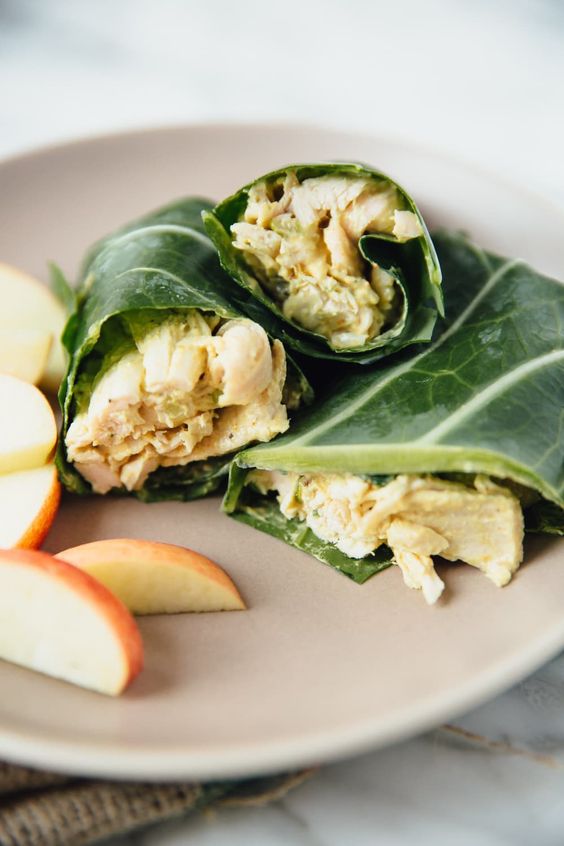
Collard green wraps
Unlike kale and chard, collard leaves are tough enough to be used in place of tortillas without cracking or breaking. Use it as a bread replacement for sandwich wraps, burritos, tacos, and even burgers. Click this link to learn make your own collard green wraps!17
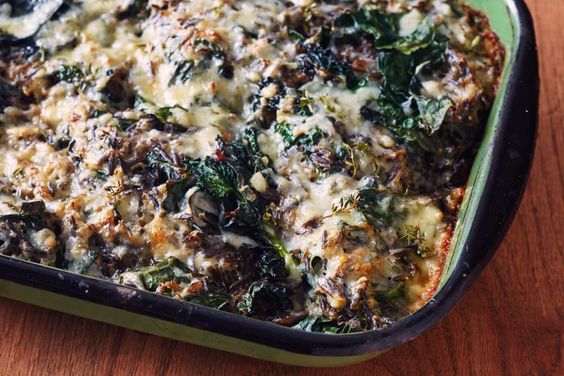
Shredded into a casserole
Creamy, cheesy casseroles are a great dish to tame the toughness of collard greens and hide their texture. Swap in shredded or chopped leaves in place of other greens. Click this link to learn how to make your own cheesy collard green casserole!19
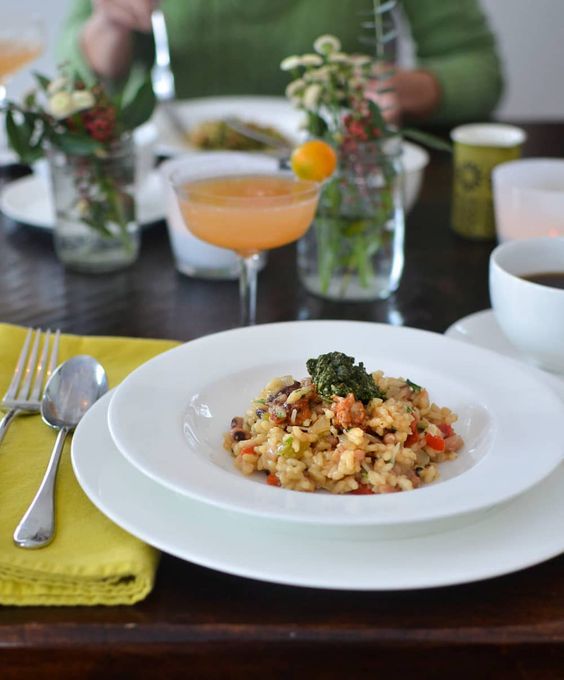
Puréed into pesto
Collard greens can be blanched before being made into a pesto with olive oil, parmesan, and your favorite toasted nuts. Click this link to learn how to make your own collard green pesto!20
Cooked in a stir-fry
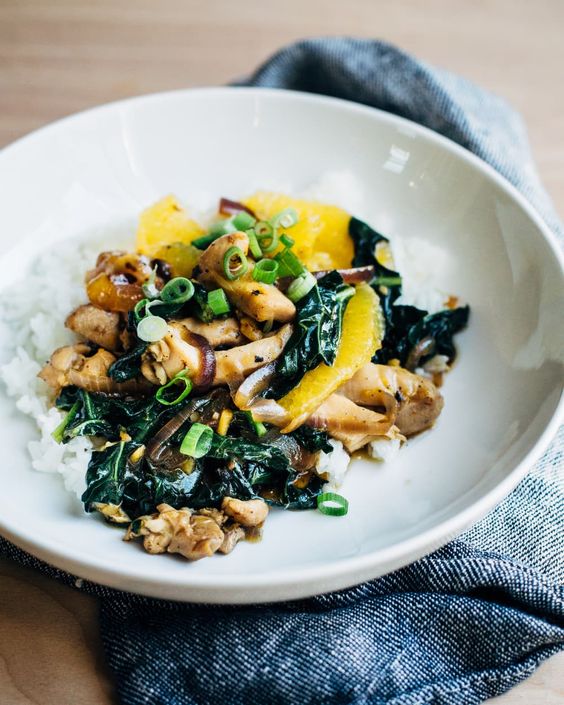
Remove the stems, then shred the leaves before tossing them into the wok. Collard greens can handle bold flavors, so be sure to take advantage of this. Swap in shredded or chopped leaves in place of other greens, like kale, chard, or spinach. Click this link to learn how to make your own collard green stir fry!18
Added to chili
Collard greens are the leafy greens that are sturdy enough to pair with a hearty pot of chili. Heat is also a great way to reduce the natural flavor of collard greens. Click this link to learn how to make your own collard green chili!21
Blended into a smoothie
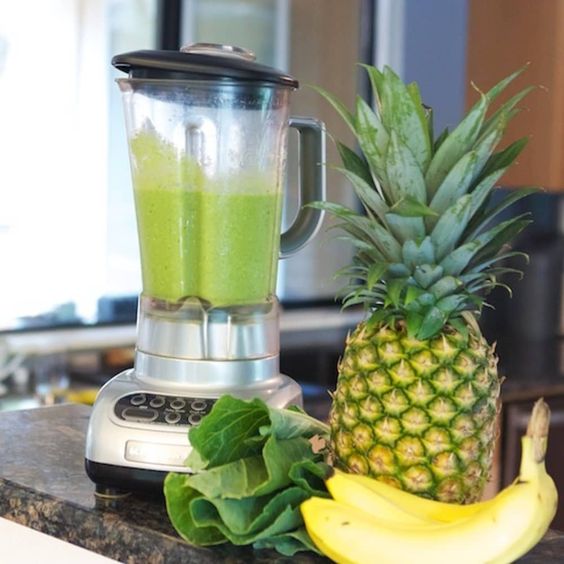
Adding collard greens to your favorite green smoothie gives it a fresh twist. Replace the regular spinach or kale with collard greens. Make sure to remove the stem before they are added to the blender. Click this link to learn how to make a smoothie with collard greens in it!22

Unsure how to cook them
Collard greens are a very versatile vegetable! A few different ways to cook it are:16 24
- Added to salads and slaws
- Used as a wrap
- Sautéed
- Steamed
- Blanched
- Stewed
- Pureed
- Stir fried
- Braised
- Sliced or shredded
- Blended
- Added to casseroles
Collard greens can be added to a lot of different recipes to get the most out of their nutritional benefits!
Who eats collard greens around the world?
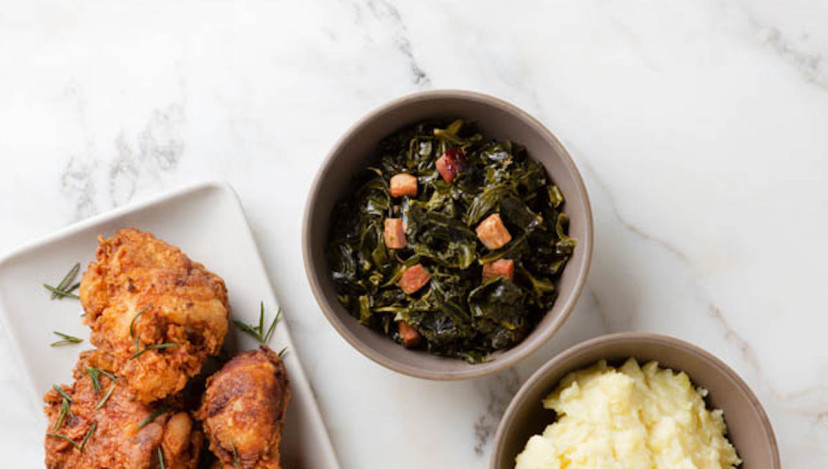
Collard greens are a staple in African-American culture but few know that collard greens have been around since prehistoric time. They are actually the oldest member of the cabbage family! Collard greens originated in Eastern Mediterranean but are eaten as veggies in South Africa, northern Spain, Uganda, Kashmir, American South, Brazil, Kenya, Balkans, Tanzania, Portugal, and Zimbabwe. Check out some international recipes below!
Rastika- Croatian Collard Greens Soup
Yields: 4 servings

Ingredients:
- 1 kg collard greens
- 300 g prosciutto dry pork ribs or other smoked dry meat
- 3-4 potatoes cubed
- 1 onion chopped
- 2 cloves garlic chopped
- 1 bouillon cubes
- 1-2 tsp paprika
- salt pepper
Instructions:
- Cook dry meat in a pot of boiling water
- Cut collard greens into larger ribbons, blanch in boiling water for about 3 minutes and drain
- In a large saucepan, sauté onion. Add drained collard greens, chopped garlic, potatoes, salt, pepper, dried sliced cooked meats and the bouillon cube. Add some water left over from cooking dry meat. Cook until collard / rastika is tender
Use this link to check out the recipe!
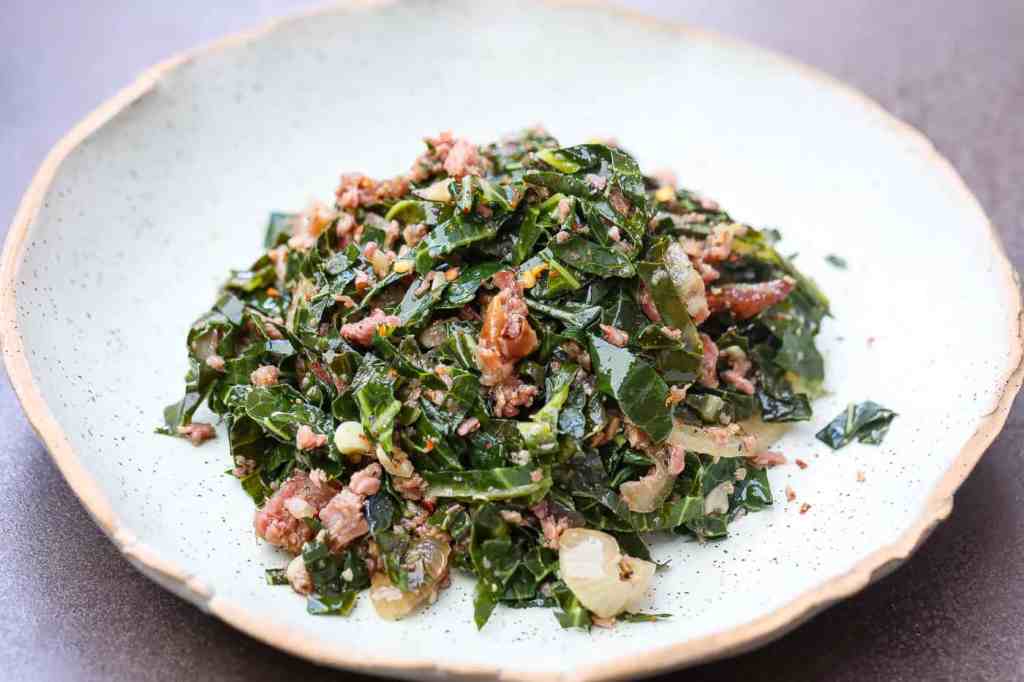
Couve a Mineira- Brazilian Collard Greens
Yields: 8 servings. 5 mins prep time. 15 mins cook time.
Ingredients:
- 2 pounds collard greens (2 to 3 large bunches) stems removed
- 5 to 6 cloves garlic minced
- 1 onion diced
- 2 ham hocks meat removed and diced into small piece
- 1 teaspoon kosher salt
- 3 tablespoons olive oil
- salt and freshly ground black pepper to taste
Instructions:
- Wash the collard greens well and drain. Stack a few leaves at a time, then roll them tightly into a cigar. Thinly slice the leaves crosswise into thin shreds.
- Heat the olive oil in a heavy skillet over medium heat. Add the ham hocks, onions, garlic and salt, cooking and stirring until the mixture is highly aromatic, about 4-5 minutes.
- Add the greens, and sauté 3 or 4 minutes until they are bright green in color and starting to soften. Using tongues stir them as necessary to mix the greens well with the hocks, garlic and onions.
- Season greens with more salt and pepper to taste, and serve immediately.
Use this link to check out the recipe!
Sukuma Wiki- East African Braised Collard Greens
Yields: 4 servings. 20 mins prep time. 15 mins cook time

Ingredients:
- 1 kg collard greens (usually 2 bunches)
- 3 tablespoons oil
- 1 onion
- 2 big tomatoes
- Salt to taste
Instructions:
- Wash the collard green leaves well. Then remove the thick, tough stems by stripping from the leaves. Slice the leaves thinly.
- Peel and chop the onion. Wash and chop the tomatoes.
- Heat the oil in a saucepan under medium heat. Add the onions and cook until they are starting to brown.
- Add the tomatoes into the pan and cook until soft. Then add the collard greens. Stir for 3-5 mins.
- Add some salt to taste, stir, then cover the pan and leave to steam for 5 mins.
- Remove from heat and serve
Use this link to check out the recipe!
Kashmiri Haak Saag
Yields: 4 servings. 15 mins prep time/ 30 mins cook time
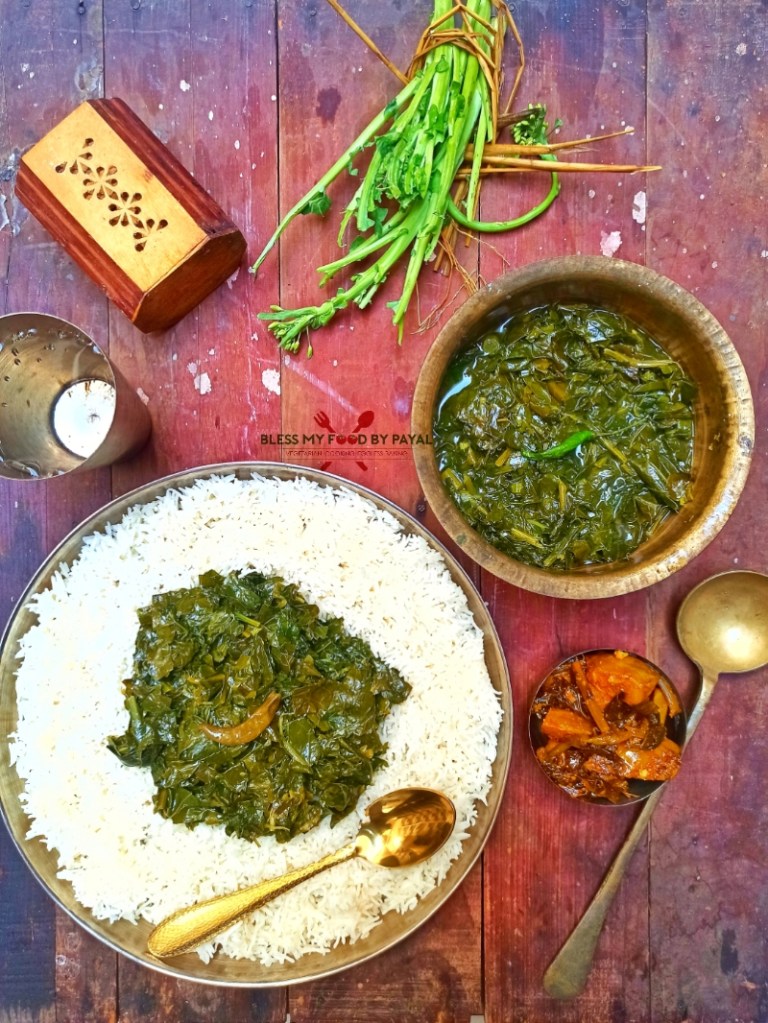
Ingredients (1 cup=220 ml):
- 1 kg/2.2 Lb Haak Saag/Collard Greens
- 1/4 Cup Mustard oil
- 1/8 tsp Asafoetida/hing
- 2 Green chilies
- Salt to taste
- 4 cup water 800 ml
Ingredients:
- Wash haak saag very well
- Separate the green leaves from the stems. Don’t chop the leaves as they are traditionally cooked leaving them big.
- Take mustard oil in a wide pan/kadai and let oil smoke first.
- The oil must have become extremely hot. Off the heat so that the temperature of oil comes down a bit. Otherwise what you are going to add next will burn immediately.
- Add asafoetida and green chilies.
- Now add haak saag, salt and water.
- Let saag cook on moderate heat. Do note that don’t cover the pan/kadai with a lid.
- Keep stirring at intervals. As there’s much water in pan, so you really don’t need to stir it quite often.
- After 30-35 minutes, when the haak saag turns soft and tender enough to eat, off the heat.
- Haak saag is ready.
- Serve hot.
Use this link to check out the recipe!
Resources to cook with collard greens
3 ways to remove tough stems from leafy greens
Want to try different recipes? Check out these 15+ easy, versatile, and tasty collard greens recipes!
Sources
Expand to see source information
- Williams, C. (2020, November 13). What Are Collard Greens and How Do You Cook Them? Allrecipes. Retrieved July, 2023, from https://www.allrecipes.com/article/what-are-collard-greens/
- Greeley, S. (2022, March 9). What Are Collard Greens and How Do You Cook Them? Forks Over Knives. Retrieved July, 2023, from https://www.forksoverknives.com/how-tos/what-are-collard-greens-how-to-cook-them/
- Gray, A. (2023, May 8). What Do Collard Greens Taste Like? Do Collard Greens Taste Good? Americas Restaurant. Retrieved July, 2023, from https://americasrestaurant.com/collard-greens-taste/
- Fincher, M. (2020, December 2). How to Cook Collard Greens 5 Ways. Allrecipes. Retrieved July, 2023, from https://www.allrecipes.com/article/how-to-cook-collard-greens/
- Marengo, K. (2018, August 16). Collard greens: Benefits, nutrition, diet, and risks. Medical News Today. Retrieved July, 2023, from https://www.medicalnewstoday.com/articles/277957
- Zittermann A. (2001). Effects of vitamin K on calcium and bone metabolism. Current opinion in clinical nutrition and metabolic care, 4(6), 483–487. https://doi.org/10.1097/00075197-200111000-00003
- Cruciferous Vegetables and Cancer Prevention – NCI. (2012, June 7). National Cancer Institute. Retrieved July, 2023, from https://www.cancer.gov/about-cancer/causes-prevention/risk/diet/cruciferous-vegetables-fact-sheet
- Post, R. E., Mainous, A. G., King, D. E., & Simpson, K. N. (2012, January). https://www.jabfm.org/content/25/1/16.full. The Journal of the American Board of Family Medicine, 25(1), 16-23. https://doi.org/10.3122/jabfm.2012.01.110148
- Vigil, M., Berkson, B. M., & Garcia, A. P. (2014). Adverse effects of high doses of intravenous alpha lipoic Acid on liver mitochondria. Global advances in health and medicine, 3(1), 25–27. https://doi.org/10.7453/gahmj.2013.011
- National Institutes of Health. (2022, June 15). Vitamin A and Carotenoids – Health Professional Fact Sheet. NIH Office of Dietary Supplements. Retrieved July, 2023, from https://ods.od.nih.gov/factsheets/VitaminA-HealthProfessional/
- National Institutes of Health. (2021, March 26). Vitamin C – Health Professional Fact Sheet. NIH Office of Dietary Supplements. Retrieved July, 2023, from https://ods.od.nih.gov/factsheets/VitaminC-HealthProfessional/
- National Institutes of Health. (2022, June 2). Choline – Health Professional Fact Sheet. NIH Office of Dietary Supplements. Retrieved July, 2023, from https://ods.od.nih.gov/factsheets/Choline-HealthProfessional/
- Mims, P. O. (2022, October 17). How to Make Bitter Greens Taste Less Bitter. Allrecipes. Retrieved July, 2023, from https://www.allrecipes.com/article/how-to-cut-bitterness-from-bitter-greens/
- MasterClass. (2021, August 11). What Is Braising? How to Braise Meats and Vegetables – 2023. MasterClass. Retrieved July, 2023, from https://www.masterclass.com/articles/what-is-braising-how-to-braise-meats-and-vegetables
- Clemson University. (n.d.). Why blanch? | College of Agriculture, Forestry and Life Sciences. Clemson University. Retrieved July, 2023, from https://www.clemson.edu/extension/food/canning/canning-tips/43why-blanch.html
- Foster, K. (2019, June 9). 10 Ways to Eat Collard Greens. The Kitchn. Retrieved August, 2023, from https://www.thekitchn.com/10-ways-to-eat-your-collard-greens-240555
- Gallary, C. (2020, January 29). Recipe: Collard Green Chicken Salad Wraps. The Kitchn. Retrieved August, 2023, from https://www.thekitchn.com/recipe-collard-green-chicken-salad-wraps-227110
- Stark, E. (2020, January 29). Recipe: Orange Chicken and Kale Stir-Fry. The Kitchn. Retrieved August, 2023, from https://www.thekitchn.com/recipe-orange-chicken-and-kale-stir-fry-239222
- Foster, K. (2022, January 13). Recipe: Wild Rice and Kale Casserole. The Kitchn. Retrieved August, 2023, from https://www.thekitchn.com/recipe-wild-rice-and-kale-casserole-237098
- Castle, S. (2020, January 29). Recipe: Hoppin’ John Risotto with Collard Pesto. The Kitchn. Retrieved August, 2023, from https://www.thekitchn.com/recipe-hoppin-john-risotto-with-collard-pesto-recipes-from-the-kitchn-182045
- Passarella, E. (2020, January 29). Recipe: Easy Turkey Chili with Kale. The Kitchn. Retrieved August, 2023, from https://www.thekitchn.com/recipe-easy-turkey-chili-with-kale-recipes-from-the-kitchn-75630
- Perez, C. (2020, January 29). Recipe: Green Piña Colada Smoothie. The Kitchn. Retrieved August, 2023, from https://www.thekitchn.com/healthy-recipe-green-pina-colada-recipes-from-the-kitchn-176254
 Blazer Cookbook
Leave a comment